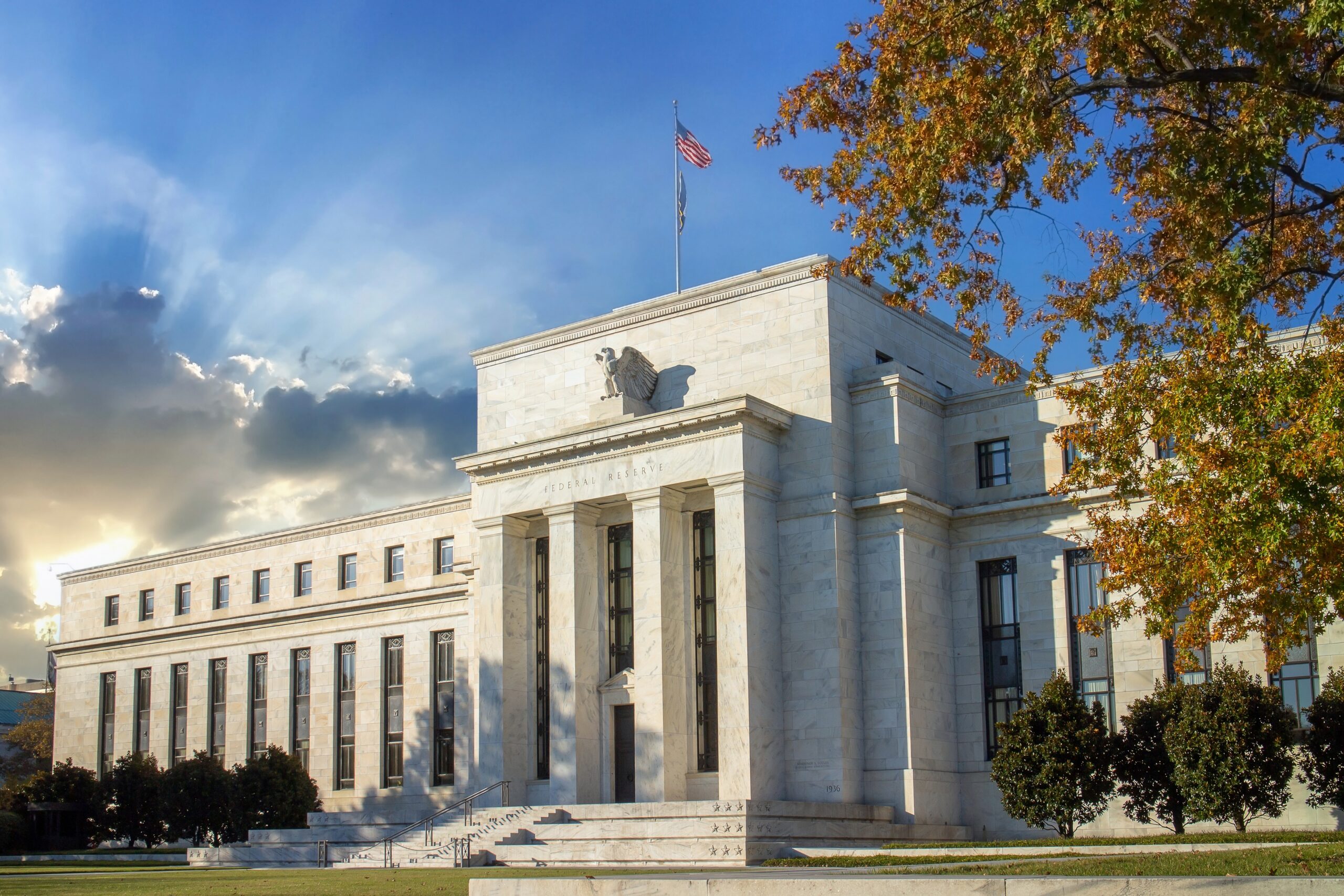
Recently, two Federal Reserve governors delivered speeches with interesting differences. Michael Barr warned against weakening bank supervision, citing “growing pressures to scale back examiner coverage, to dilute ratings systems” that could lead to a crisis. Stephen Miran countered that “regulators went too far after the 2008 financial crisis, creating many rules that raised the cost of credit” and pushed activities into unregulated sectors.
Both governors make valid observations about their respective concerns. Yet neither addresses a more fundamental problem: the regulatory cycle itself may be the primary source of financial instability. Rather than preventing crises, financial regulation tends to shift risks to new areas, setting the stage for different—not fewer—failures.
The Regulatory Ratchet
Barr himself describes the pattern: “time and again, periods of relative financial calm have led to efforts to weaken regulation and supervision…often had dire consequences.” But this observation cuts both ways. Periods of crisis lead to regulatory overreach, which creates unintended consequences, which leads to calls for reform—and the cycle repeats.
The Savings and Loan crisis of the 1980s and early 1990s illustrates this dynamic clearly. Following widespread S&L failures, regulators imposed stricter capital requirements through the 1988 Basel Accord. Financial institutions responded by using securitization to reduce their regulatory capital requirements while maintaining risk exposure—creating the shadow banking system that would later amplify the 2008 crisis. The new regulations didn’t eliminate risk; they relocated it to where regulators couldn’t see it.
After 2008, the pattern repeated. Dodd-Frank increased capital requirements and restricted proprietary trading through the Volcker Rule. As Miran notes, “many traditional banking activities have migrated away from the regulated banking sector” because regulatory costs made these services unprofitable for banks. Credit migrated to private credit funds, collateralized loan obligations, and other non-bank lenders.
Today, private credit markets exceed $1.5 trillion, largely outside regulatory oversight. When the next crisis arrives, it will likely originate in these sectors—not because markets failed, but because regulation distorted incentives and redirected risk to less efficient channels. “Shadow banking” now accounts for $250 trillion globally, nearly half of the world’s financial assets, with minimal regulatory oversight.
Managing Risk, Not Preventing It
This regulatory cycle reveals a deeper problem with how policymakers think about financial stability. Both prevention-focused regulation (Barr’s preference) and “peeling back regulations”
(Miran’s approach) assume regulators can outsmart markets. Neither addresses the knowledge problem at the heart of financial regulation: regulators are always fighting the last war while markets adapt faster than rules can be written.
A more effective approach recognizes that financial risk cannot be eliminated—it can only be managed when it materializes. Financial regulation, if there is going to be any, should focus on crisis resolution rather than crisis prevention. This means three things:
First, establish clear rules about who bears losses when failures occur. Uninsured creditors, not taxpayers, should absorb losses. The FDIC’s resolution authority works precisely because it allows banks to fail in an orderly way, with clear priorities for claims. Extending this principle—making “too big to fail” institutions write “living wills” that detail how they would be unwound—creates market discipline without micromanaging risk-taking.
Second, eliminate implicit guarantees that encourage excessive risk-taking. When creditors believe regulators will intervene to prevent losses, they stop monitoring risk carefully. The 2008 bailouts reinforced expectations of government support, which may explain why risk-taking continued despite stricter regulations. A credible commitment to let failures happen—even of large institutions—would do more to encourage prudent lending than any capital requirement.
Third, simplify the regulatory framework itself. Complex rules create opportunities for regulatory arbitrage and make it harder for market participants to understand their actual risk exposure. Miran identifies one such complexity: leverage ratios that penalize holding safe assets like Treasury securities, creating “contradictory incentives” that distort markets rather than stabilizing them.
Canada’s experience offers a useful contrast. Canadian banks weathered the 2008 crisis better than their American counterparts, despite having less stringent capital requirements and a more concentrated banking sector. The key difference? Canadian regulators focused on ensuring orderly resolution of failures rather than preventing all risk-taking. Banks faced real consequences for poor decisions, which encouraged more conservative behavior than any amount of supervision could mandate. Since 1840, the United States has experienced at least 12 systemic banking crises—Canada has had zero. During 2008, Canadian banks maintained an average leverage ratio of 18:1 compared to over 25:1 for many US banks. The US bailed out hundreds of banks; Canada bailed out zero.
Breaking the Cycle
The debate between Barr and Miran represents the latest turn in the regulatory cycle. Both assume their preferred approach will prevent the next crisis. History suggests otherwise. Until policymakers recognize that financial regulation shifts rather than eliminates risk, we will continue cycling between crisis, overreaction, unintended consequences, and the next crisis.
The alternative is clear bankruptcy procedures and eliminating implicit guarantees. Let markets—not regulators—price risk. Let banks—not bureaucrats—manage portfolios. And most importantly, let failures happen to those who take excessive risks, ensuring that profits and losses remain where they belong: with the institutions that make the decisions.
